
Introduction
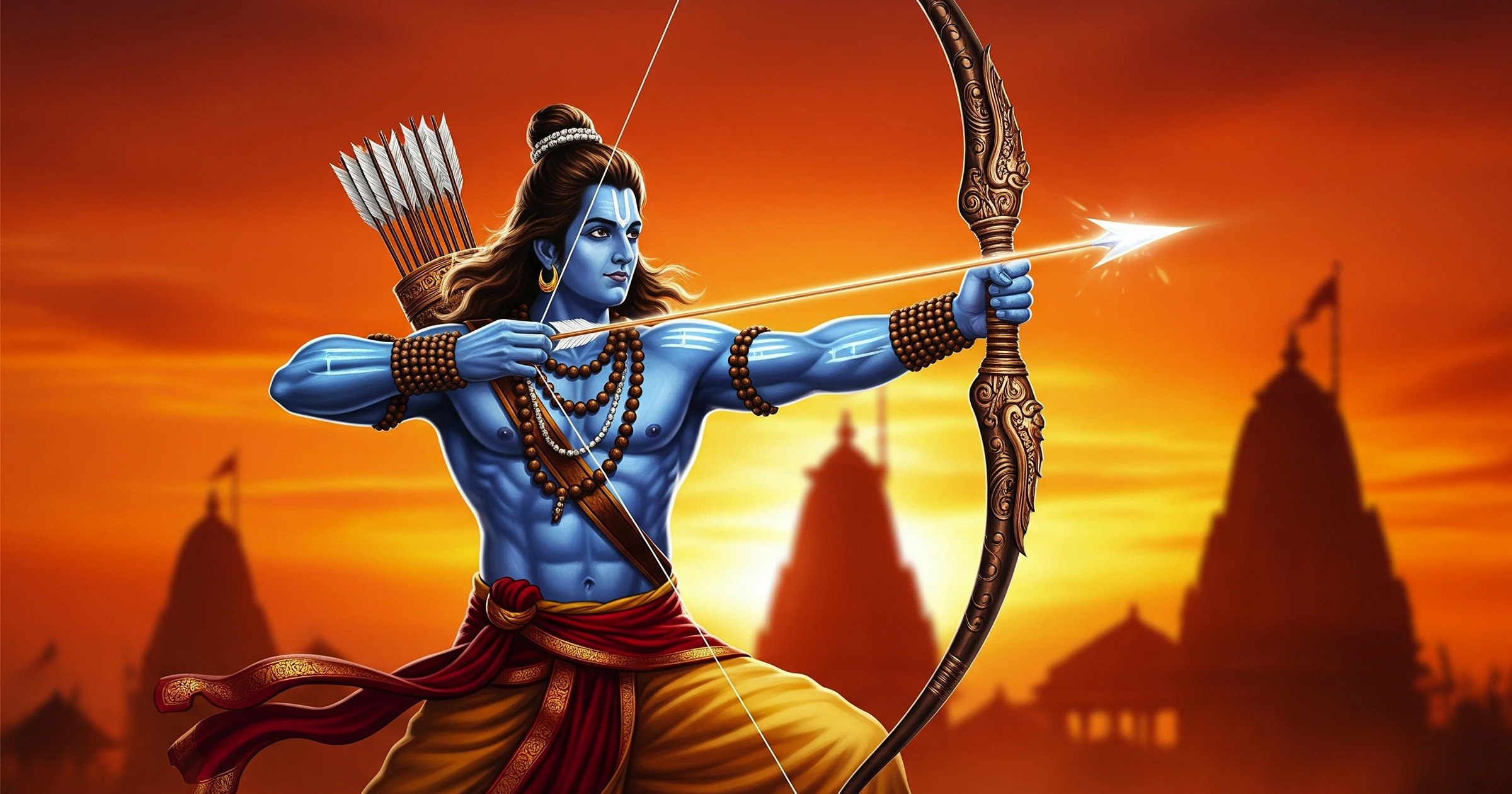
Ram Navami is one of the most sacred Hindu festivals, commemorating the birth of Lord Rama, the seventh incarnation of Lord Vishnu.
In 2026, Ram Navami will be celebrated on Saturday, 28 March, falling on the Navami tithi of Chaitra month, marking the conclusion of Chaitra Navratri.
Lord Rama symbolizes truth, righteousness, compassion, duty, and devotion — making this day a powerful reminder of living life with integrity and faith.
History & Spiritual Significance
🕉️ The Spiritual Meaning of Ram Navami
Ram Navami signifies not just the divine birth of Lord Rama in Ayodhya, but also the rebirth of dharma within the human heart.
Key Spiritual Teachings
- Lord Rama as Dharma — the embodiment of truth, virtue, and moral values
- Goddess Sita as Bhakti — symbol of purity, devotion, and balance
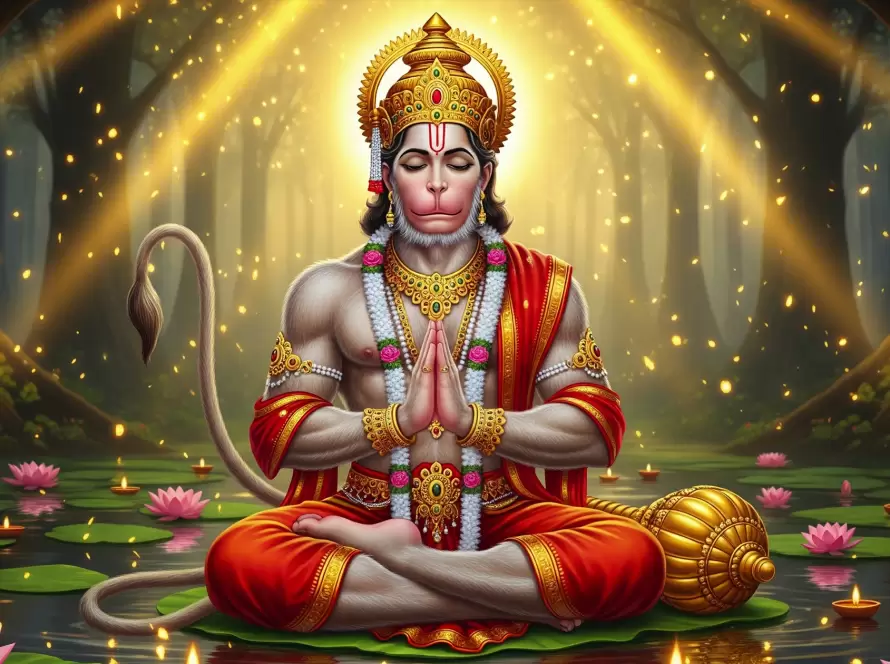
- Lord Hanuman as Strength and Service — the ideal devotee symbolizing loyalty, humility, and courage
The Divine Birth Story
According to the Ramayana, King Dasharatha performed the Putrakameshti Yagna seeking a successor.
From the sacred fire emerged a divine offering that was shared among his queens, leading to the birth of:
- Lord Rama (Kaushalya)
- Bharata (Kaikeyi)
- Lakshmana & Shatrughna (Sumitra)
When Lord Rama was born, Ayodhya rejoiced with light, song, flowers, and divine celebration, marking the arrival of righteousness (dharma) on Earth.
Celebration & Rituals
🌼 Ram Navami Puja and Traditional Rituals
Devotees celebrate this sacred day through fasting, prayers, mantra chanting, and singing bhajans.
Morning Rituals
- Holy bath before sunrise
- Cleaning and decorating the temple or altar
- Placing idols or images of Rama, Sita, Lakshmana, and Hanuman
- Reciting mantras such as “Om Shri Ramaya Namah” and “Shri Ram Jai Ram Jai Jai Ram”
- Reading verses from the Ramayana, especially from the Bal Kand
- Performing aarti and offering tulsi leaves, fruits, and prasad
- Visiting temples and participating in Rath Yatra or bhajan gatherings
Traditional Foods & Community Celebrations
- Devotees prepare panakam (sweet drink), sabudana khichdi, and fruits
- Temples organize bhajans, kirtans, and Ramayana chanting
- Ayodhya, Varanasi, and Nashik host grand celebrations, devotional music, and lighting ceremonies
Popular Ram Bhajans
- Shri Ram Jai Ram Jai Jai Ram
- Raghupati Raghav Raja Ram
- Ram Siya Ram
- Ram Naam Jap Le Mere Mann
- Ram Chalisa
These devotional songs strengthen inner peace, faith, and spiritual connection.
FAQs on Ram Navami 2026
- When is Ram Navami in 2026?
Ram Navami will be celebrated on Thursday, 26 March 2026. The festival falls on the Navami Tithi of Chaitra Shukla Paksha and marks the birth anniversary of Lord Rama, the seventh avatar of Lord Vishnu.
- Why is Ram Navami celebrated?
Ram Navami celebrates the birth of Lord Rama, who is revered as the ideal king and the seventh incarnation of Lord Vishnu. The festival symbolizes righteousness (dharma), truth, courage, compassion, and devotion.
- How do devotees celebrate Ram Navami?
Devotees observe fasting, chant the Rama Nama, recite the Ramayana or Ramcharitmanas, perform Rama Puja, visit temples, sing bhajans, and participate in devotional processions to honor Lord Rama.
- What is the significance of fasting on Ram Navami?
Fasting on Ram Navami is believed to purify the mind and body, strengthen devotion, and seek the blessings of Lord Rama for peace, prosperity, wisdom, and protection from difficulties.
- What is the favorite offering (Prasad) for Lord Rama on Ram Navami?
Traditional offerings include Panakam (jaggery drink), Kosambari, fruits, soaked gram, tulsi leaves, and sweets. These simple sattvic offerings symbolize purity, gratitude, and devotion to Lord Rama.