
Introduction
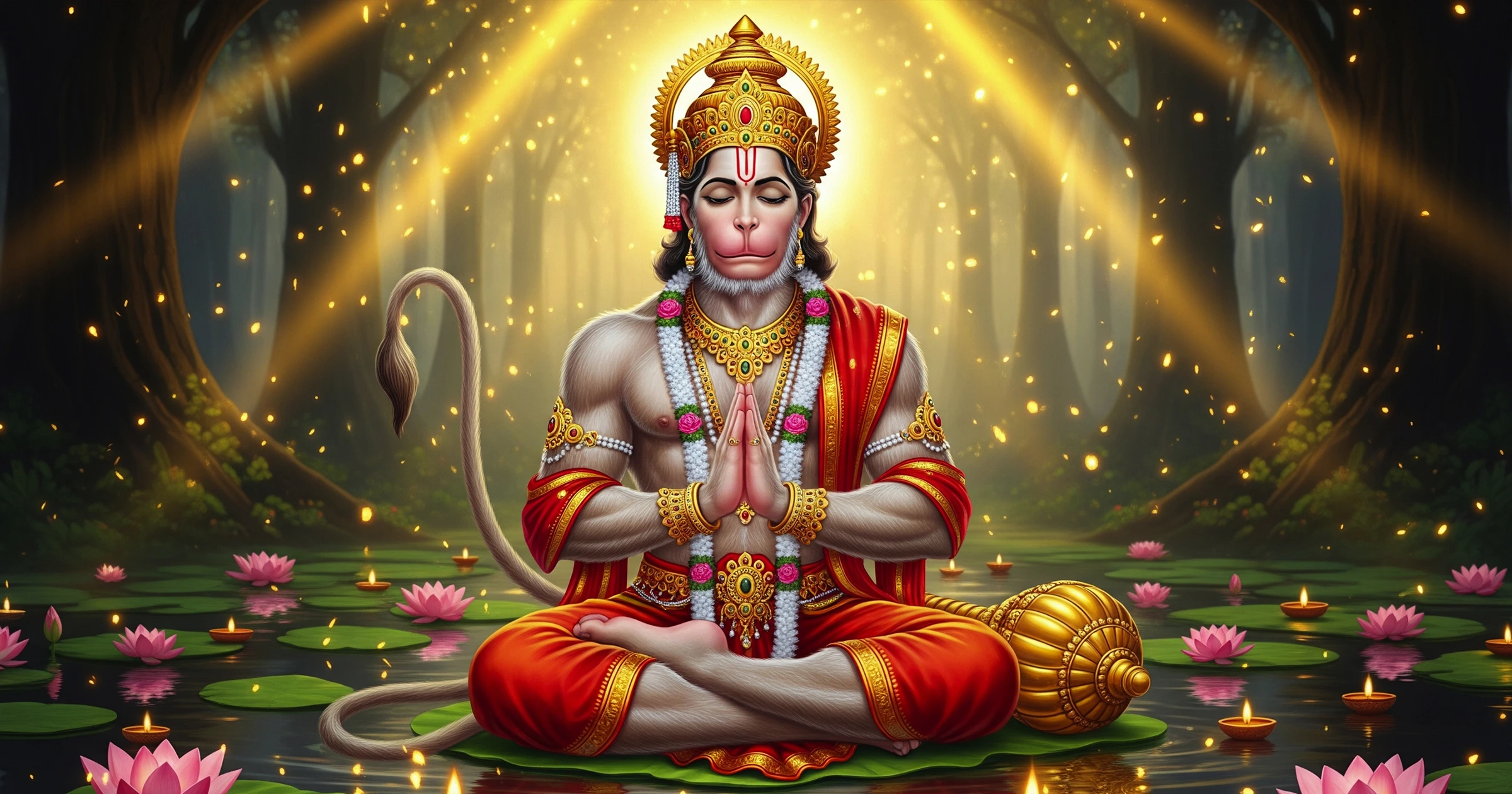
Hanuman Jayanti marks the birth of Lord Hanuman, revered as the symbol of unwavering devotion, strength, humility, and fearless courage.
In 2026, Hanuman Jayanti will be celebrated on Sunday, 6 April, falling on the Purnima (full-moon day) of the Chaitra month.
Devotees celebrate this sacred day by chanting the Hanuman Chalisa, singing bhajans, reading sacred scriptures, and meditating on his selfless devotion to Lord Rama.
History & Spiritual Significance
The Divine Significance of Hanuman Jayanti
Lord Hanuman is the son of Vayu Dev (Wind God) and Devi Anjana, born through divine blessings.
He represents the eternal principles of Shakti (Strength), Bhakti (Devotion), and Seva (Service).
Core Teachings of Hanuman Bhakti
- Faith in the Divine – unwavering devotion and surrender to God
- Strength through Seva – true power comes from selfless service
- Protection from Negativity – chanting the name of Hanuman removes fear, obstacles, and negative forces
- Humility & Wisdom – greatness is found in serving others with love
Through devotion to Lord Rama, Hanuman embodies the perfect disciple — fearless, loyal, and dedicated to righteousness.
Celebration & Rituals
Hanuman Jayanti Rituals and Traditions
Devotees celebrate this day with intense devotion and spiritual discipline.
Observed Rituals include:
- Reciting Hanuman Chalisa (often 108 times)
- Performing aarti and singing devotional bhajans
- Reading the Sundar Kand from Ramayana
- Offering sindoor, betel leaves, flowers, and ladoos
- Fasting and visiting Hanuman temples
- Applying sindoor from Hanuman idols as a symbol of protection
Many temples conduct special processions, community bhajans, and devotional gatherings.
Popular Bhajans & Devotional Songs
- Hanuman Chalisa
- Bajrang Baan
- Jai Hanuman Gyan Gun Sagar
- Sankat Mochan Hanuman Ashtak
- Shri Ram Jai Ram Jai Jai Ram (dedicated also to Rama-Hanuman devotion)
These devotional hymns inspire inner strength, peace, and spiritual upliftment.
FAQs on Hanuman Jayanti 2026
- When is Hanuman Jayanti in 2026?
Hanuman Jayanti will be celebrated on Thursday, 2 April 2026, marking the birth anniversary of Lord Hanuman on Chaitra Purnima.
- Why is Hanuman Jayanti celebrated?
Hanuman Jayanti celebrates the birth of Lord Hanuman, who symbolizes strength, devotion, courage, and unwavering devotion to Lord Rama.
- How is Hanuman Jayanti celebrated?
Devotees observe fasting, visit Hanuman temples, recite the Hanuman Chalisa, perform Hanuman Puja, offer sindoor and laddoos, and participate in bhajans and aarti.
- What are the benefits of worshipping Lord Hanuman on Hanuman Jayanti?
Worshipping Lord Hanuman on Hanuman Jayanti is believed to remove obstacles, provide courage, protect from negative energies, and bring peace, success, and spiritual strength.
- What should be offered to Lord Hanuman on Hanuman Jayanti?
Traditional offerings include sindoor, jasmine oil, laddoos, bananas, betel leaves, and red flowers, along with sincere prayers and Hanuman Chalisa recitation.