
Introduction: The Divine Birth of Joy and Devotion
Krishna Janmashtami, also known as Gokulashtami, is the celebration of the birth of Lord Krishna, the eighth avatar of Lord Vishnu — revered as the divine symbol of love, wisdom, and eternal joy.
In 2026, Krishna Janmashtami will be celebrated on Thursday, September 3, followed by Dahi Handi celebrations on September 4 in Maharashtra.
The festival fills homes and temples with the sound of bhajans, bells, chants, and celebration as devotees rejoice at midnight — the sacred moment Krishna incarnated.
History & Spiritual Significance
Lord Krishna was born at midnight in Mathura to Devaki and Vasudeva, during a period of oppression under the tyrant King Kansa. His divine birth symbolizes the triumph of dharma (righteousness) over adharma (evil) and the awakening of spiritual consciousness.
Deeper Spiritual Meaning
- Krishna represents unconditional love and bliss.
- His flute (bansuri) embodies harmony, peace, and the divine call of the soul.
- His childhood stories reflect innocence and divine playfulness.
- His teachings in the Bhagavad Gita guide humanity toward wisdom, devotion, and liberation.
Krishna’s life inspires the pursuit of truth, compassion, and devotion.
Legend of Krishna’s Birth
On the night of Janmashtami, the universe was filled with storms, thunder, and darkness — reflecting the chaos of the time. In Mathura’s prison, Lord Vishnu manifested and assured Devaki and Vasudeva that he would restore peace.
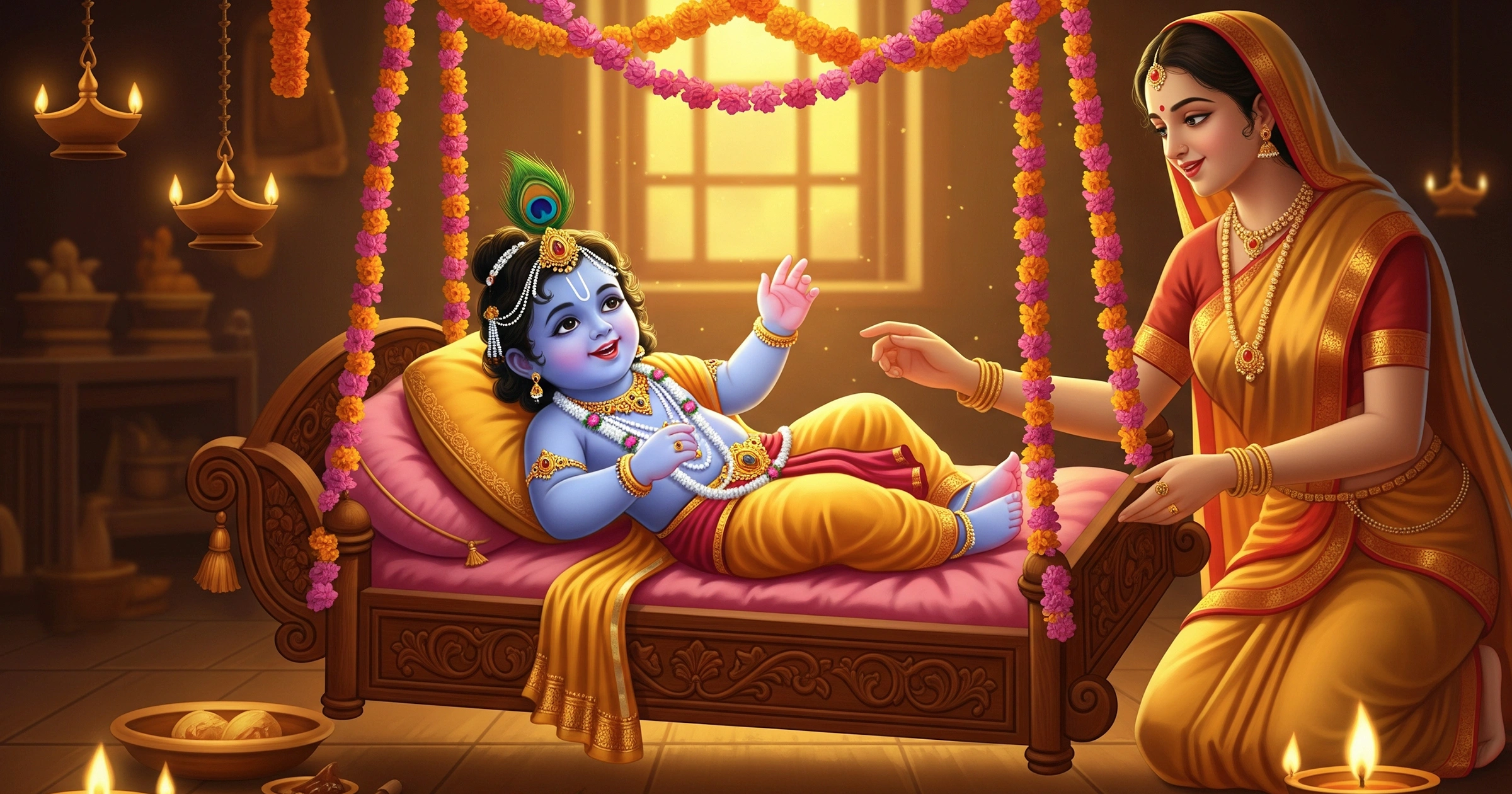
When Baby Krishna appeared, the prison doors opened miraculously, chains broke, and guards fell unconscious. Vasudeva carried the divine child across the flooded Yamuna River to Gokul, where Yashoda and Nanda Baba raised him with love.
The birth of Krishna became a symbol of hope and joy — celebrated by singing “Nand Ghar Anand Bhayo”.
Krishna Janmashtami 2026 Puja & Rituals
Fasting (Upvas)
Devotees observe a full-day fast, breaking it after midnight when Krishna’s symbolic birth is celebrated.
Midnight Puja Vidhi
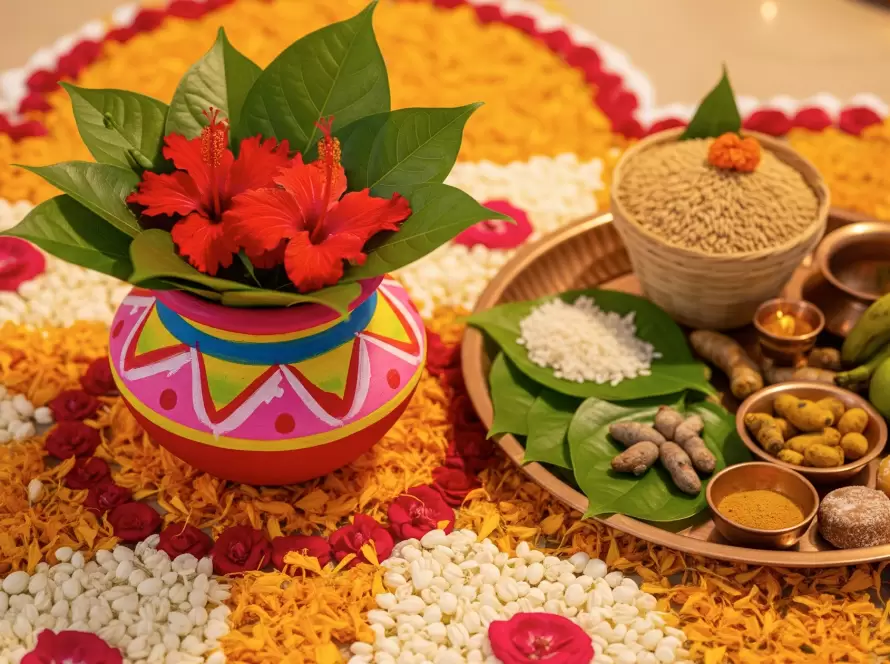
- Clean and decorate the temple space with flowers, lights, and peacock feathers.
- Place Baby Krishna’s idol in a decorated cradle (Jhula).
- Offer Makhan (butter), Mishri, Panchamrit, Tulsi leaves, and fruits.
- Chant sacred mantras:
- “Om Namo Bhagavate Vasudevaya”
- “Hare Krishna Hare Rama”
- Perform aarti and sing devotional bhajans.
Traditional Offerings (Bhog)
Devotees prepare and offer:
- Makhan-Mishri
- Panchamrit
- Makhana kheer
- Fruit offerings
- Dry fruits & sweets
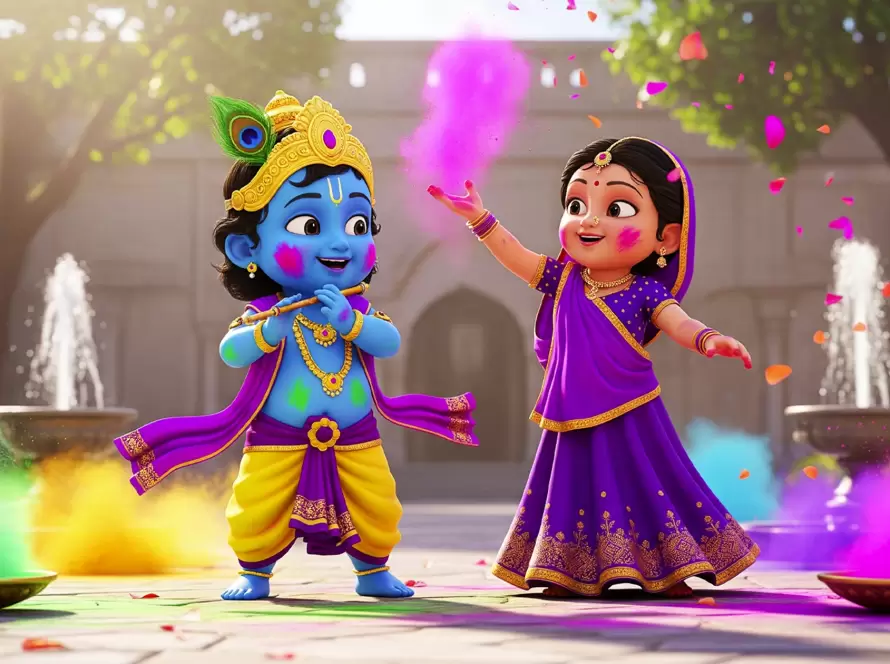
Children often dress as Krishna and Radha, adding joy to the celebration.
Dahi Handi Festival (September 4, 2026)
The day after Janmashtami, the festival of Dahi Handi is celebrated with great enthusiasm, especially in Maharashtra and Gujarat.
Teams known as Govindas form human pyramids to break a pot filled with curd, butter, and sweets — symbolizing Krishna’s playful nature and unity among communities.
Traditional Bhajans & Devotional Songs
Popular bhajans sung during the festival include:
- “Aayo Nandlala”
- “Achyutam Keshavam”
- “Govind Bolo Hari Gopal Bolo”
- “Yashomati Maiya Se Bole Nandlala”
- “Hare Krishna Hare Rama” Mahamantra
These devotional songs elevate the spirit and deepen the connection with divinity.
The Essence of Krishna Janmashtami
Krishna Janmashtami teaches us that:
- Love is stronger than fear.
- Truth always prevails.
- Joy, devotion, and humility are divine strengths.
- Spiritual wisdom liberates the soul.
The festival reminds us to celebrate life with purity, devotion, and compassion.
Conclusion
Krishna Janmashtami 2026 is a sacred opportunity to honor the divine birth of Lord Krishna with faith, joy, fasting, puja, music, and community celebrations.
May the blessings of Krishna bring happiness, peace, prosperity, and spiritual growth to every devotee.
FAQs on Krishna Janmashtami 2026
- What is Krishna Janmashtami 2026?
Krishna Janmashtami 2026 is a Hindu festival celebrating the birth of Lord Krishna, symbolizing love, devotion, and the victory of good over evil.
- When is Krishna Janmashtami celebrated in 2026?
Krishna Janmashtami will be celebrated on Friday, September 4, 2026.
- Why is Krishna Janmashtami celebrated?
Krishna Janmashtami is celebrated to honor Lord Krishna’s divine birth and seek his blessings for peace, happiness, and spiritual growth.
- What are the main rituals of Krishna Janmashtami?
The main rituals include fasting, midnight prayers, decorating Krishna idols, performing puja, singing bhajans, and celebrating Dahi Handi.
- What is the spiritual significance of Krishna Janmashtami?
Krishna Janmashtami represents faith, devotion, divine love, and the importance of following righteousness in life.