
Introduction
Pohela Boishakh, also known as the Bengali New Year, marks a fresh beginning filled with cultural celebrations, devotion, and joy. This day signifies the first day of the Bengali calendar and brings together families and communities to welcome prosperity, peace, and new opportunities.
In 2026, Pohela Boishakh will be celebrated on Wednesday, April 15.
History & Significance
Pohela Boishakh has its roots in ancient Bengal’s agricultural calendar, introduced during the Mughal period to simplify land tax collection. Over the years, it evolved into a large cultural festival celebrated across West Bengal, Bangladesh, Tripura, and Bengali communities worldwide.
The festival represents cleansing, renewal, unity, and the spirit of hope. Greetings of “Shubho Nobo Borsho” (Happy New Year) echo through homes and streets, symbolizing positive beginnings and emotional bonding.
Celebration & Rituals
Traditional Rituals of Pohela Boishakh
Morning Puja & Prayers
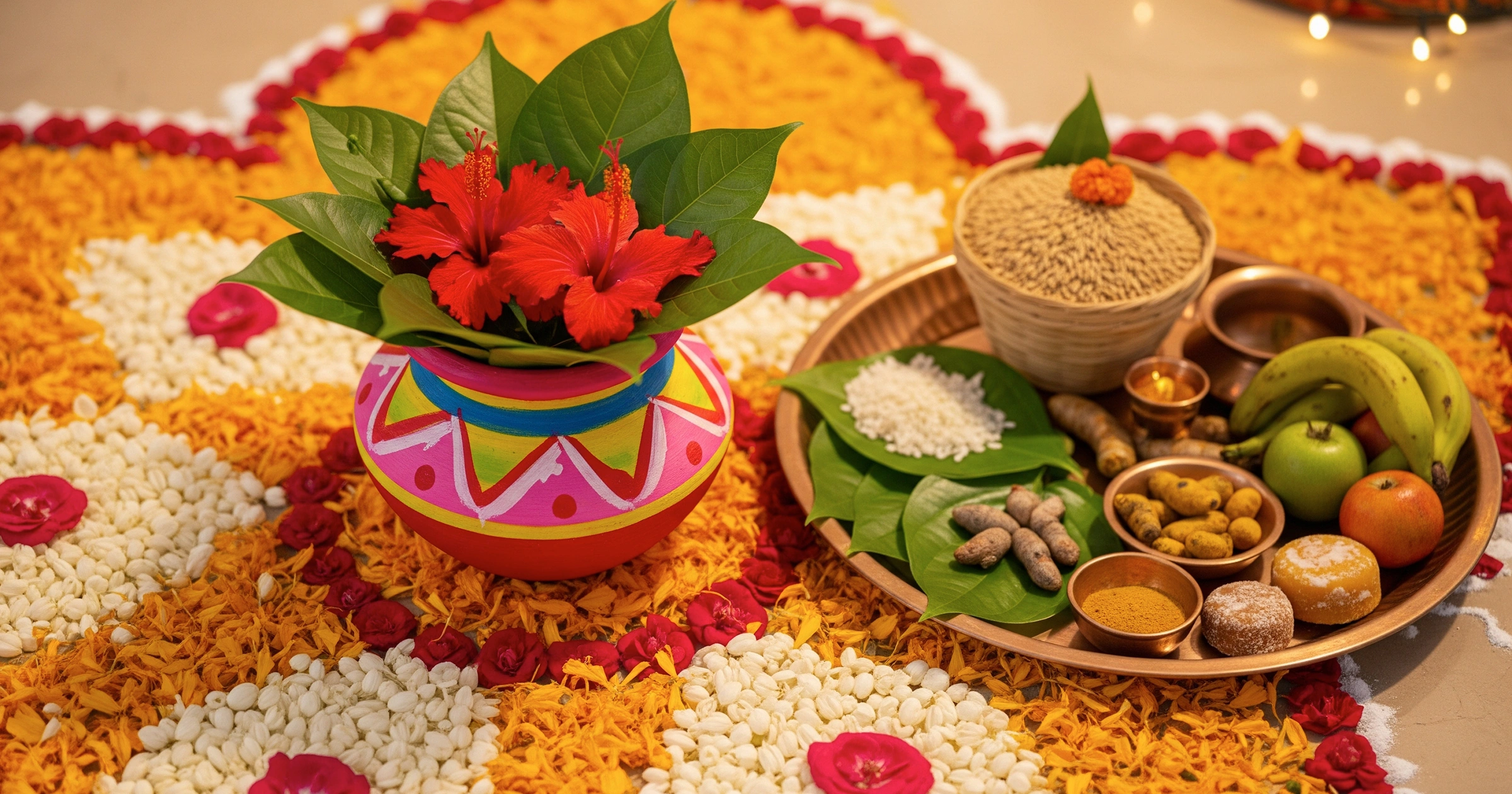
People begin the day by offering prayers for good fortune and success in the coming year. Homes and temples are decorated with rangoli (Alpona), flowers, and diyas.
Worship Practices
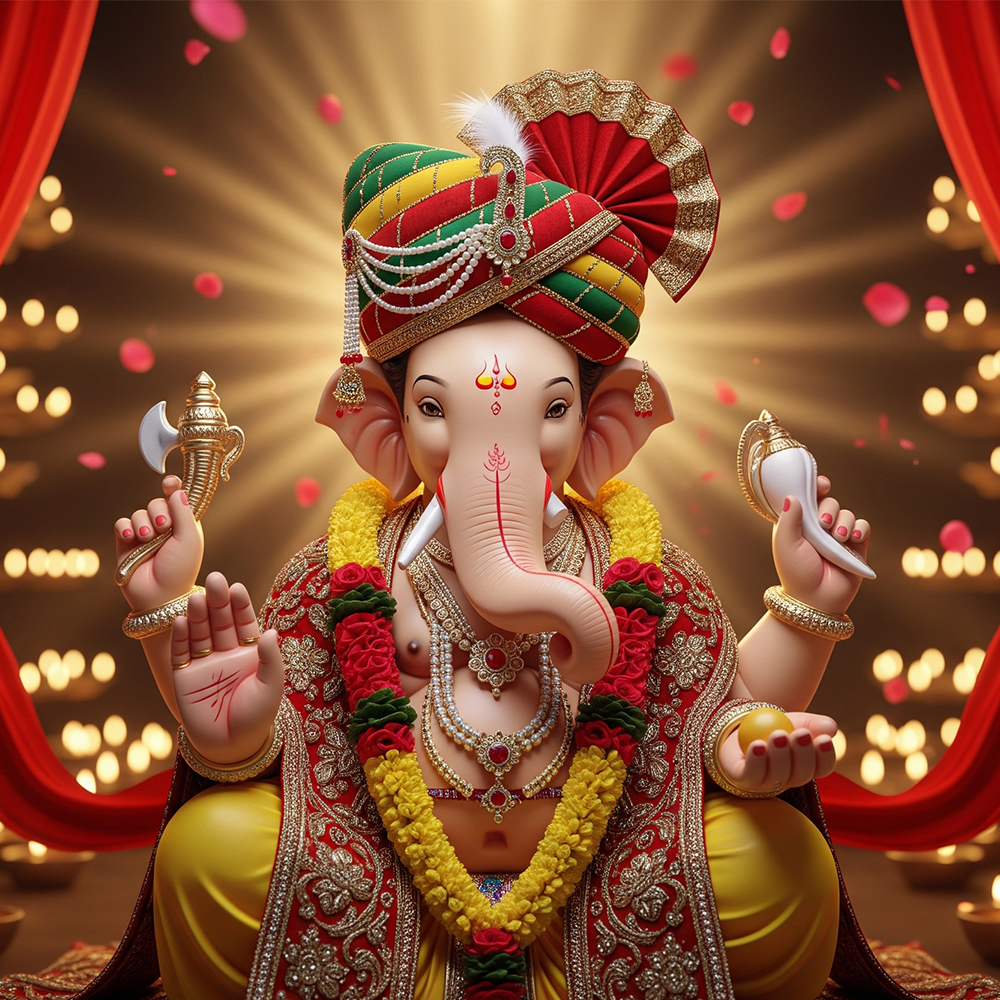
- Lord Ganesha is worshipped for wisdom and success.
- Goddess Lakshmi is invoked for prosperity.
- Offerings include fruits, sweets, flowers, and symbolic kalash.
Cultural Processions & Events
Large processions like Mangal Shobhajatra symbolize peace and cultural pride, featuring traditional masks, music, and dance.
Traditional Attire
Men wear panjabi and dhoti, while women dress in red and white sarees, representing purity and celebration.
Festive Foods
Families enjoy traditional Bengali dishes including:
- Rosogolla
- Mishti Doi
- Luchi – Alur Dom
- Pulao & traditional sweets
Business Ritual – Hal Khata
Shopkeepers start a new account book symbolizing financial blessings for the coming year.
Songs & Cultural Music
Music is an important part of Pohela Boishakh celebrations.
Popular categories of songs include:
- Rabindra Sangeet (Esho He Boishakh, Esho Esho)
- Baul folk songs
- Shyama Sangeet
- Traditional Bengali New Year songs celebrating hope and renewal
Conclusion
Pohela Boishakh is more than the beginning of a new calendar year — it is a celebration of unity, culture, gratitude, and fresh beginnings. Filled with devotion, music, and joy, the festival encourages everyone to welcome positivity and prosperity into their lives.
As families exchange greetings, offer prayers, and enjoy festive meals, the spirit of “Shubho Nobo Borsho” brings hearts together in harmony and celebration.
FAQs on Pohela Boishakh – Bengali New Year
- What is Pohela Boishakh?
Pohela Boishakh, also known as the Bengali New Year, marks the first day of the Bengali calendar. It symbolizes new beginnings, prosperity, and cultural heritage and is celebrated with prayers, traditional attire, festive meals, and cultural programs.
- When is Pohela Boishakh celebrated?
Pohela Boishakh is celebrated every year on 14 or 15 April, depending on regional traditions and the Bengali solar calendar. It is observed in West Bengal, Tripura, Assam, Bangladesh, and by Bengali communities worldwide.
- How do people celebrate Pohela Boishakh?
People celebrate Pohela Boishakh by wearing traditional clothes, greeting each other with “Shubho Noboborsho,” attending cultural events, enjoying Bengali cuisine, visiting temples, and participating in fairs and processions.
- What is the significance of Haal Khata during Pohela Boishakh?
Haal Khata is a traditional custom where businesses open new account books on Pohela Boishakh. Merchants pray for prosperity, invite customers, and begin the new financial year with blessings and gratitude.
- What foods are traditionally prepared for Pohela Boishakh?
Pohela Boishakh celebrations feature traditional Bengali dishes such as Shorshe Ilish, Kosha Mangsho, Luchi, Mishti Doi, Sandesh, and Basanti Pulao, symbolizing prosperity, joy, and family togetherness.